
Operations
Managing a Small Villa Portfolio Without Operational Chaos
Managing a small villa portfolio brings a specific kind of complexity. You have enough units to make manual tracking risky, but not so many that enterprise software makes sense. The goal is to avoid double bookings, keep guest communication organised, and maintain clarity without adding unnecessary overhead.
The hidden complexity of 5 to 15 units
With one or two properties, you might rely on a single calendar and email. Once you add more units, channels, or team members, the risk of double bookings and missed messages grows. Availability can drift out of sync, and enquiries can slip through if there is no single place to track them.
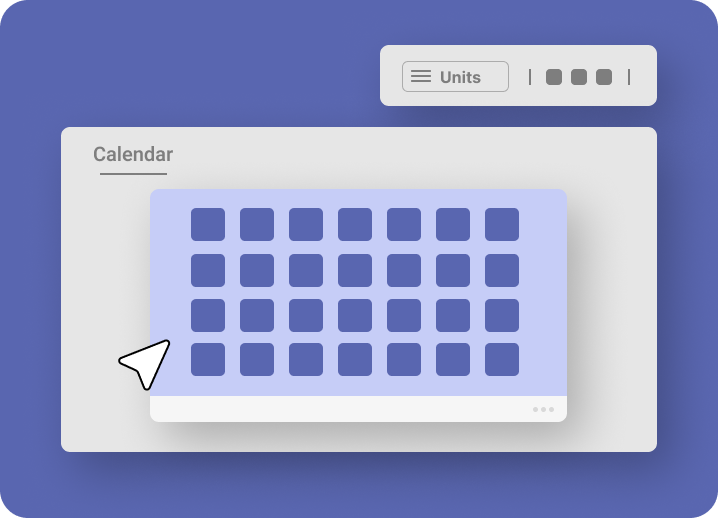
The solution is one system that holds all units, all channels, and all guest threads. That does not mean a heavy property management suite; it means a focused tool that gives you one calendar view, one inbox per booking, and one place to see what is coming up.
Preventing double bookings
Double bookings damage trust and create last-minute scrambles. They usually happen when calendars are not synced: a unit is blocked on your direct site but still open on a listing site, or two team members accept overlapping reservations.
- Use a single source of truth for availability across all units.
- Sync that calendar to every channel (iCal export/import or a connected channel manager).
- Ensure every booking, whether direct or OTA, updates the same calendar immediately.
- Review upcoming reservations regularly so any sync issues are caught early.
The solution is one system that holds all units, all channels, and all guest threads.
Guest communication systems
Guest messages should live with the booking. When an enquiry or booking comes in, all follow-up stays in one thread. You (or your team) can see the history, reply from one place, and avoid duplicate or conflicting messages.
Set simple rules: who responds to new enquiries, who handles pre-arrival details, and how quickly you aim to reply. Consistency and speed reduce anxiety and support load.
Operational clarity
At the end of the day you need to know: which units are occupied, what is coming in the next week, and what needs attention. A dashboard that shows occupancy, revenue, and recent activity across the portfolio gives you that at a glance.
Keep the tooling minimal. One booking and calendar system, one place for messaging, and clear processes for handovers and housekeeping. Less fragmentation means less chaos.
Managing a small portfolio is about reducing points of failure: one calendar, one inbox per booking, one view of the business. Invest in that clarity and you can scale to more units without operational chaos.